Orientation
The map is not the life.
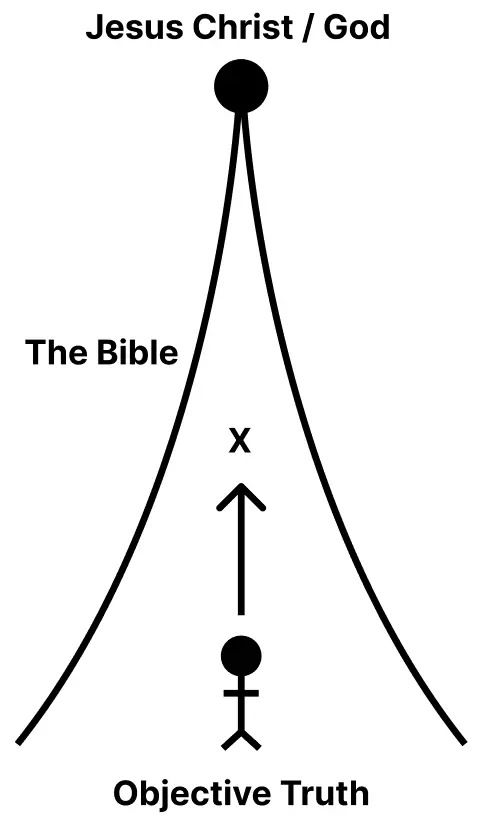
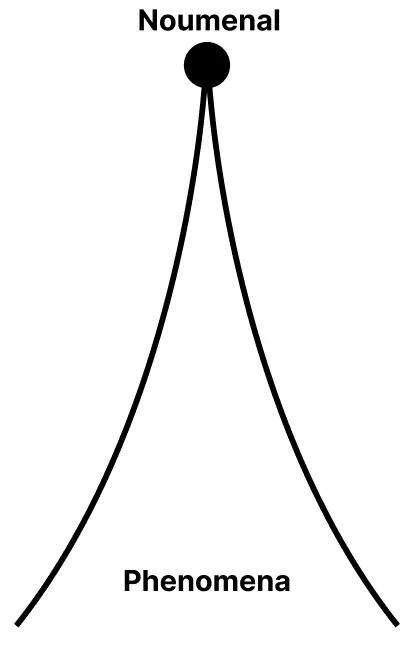
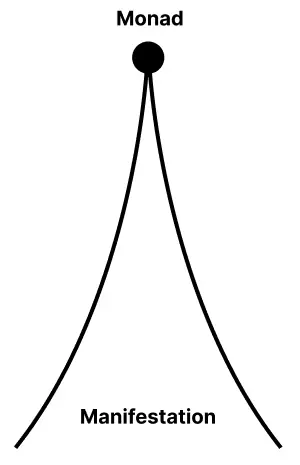
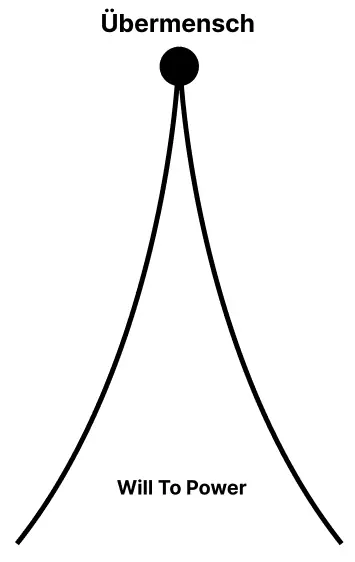
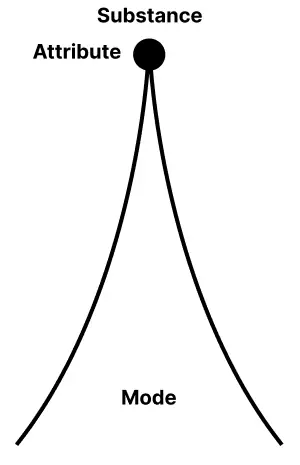
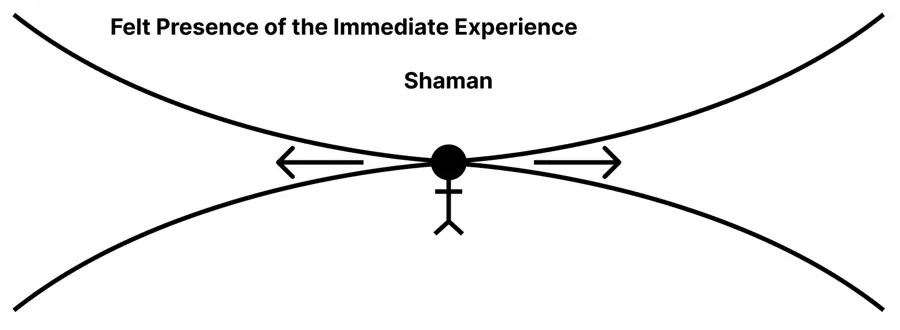
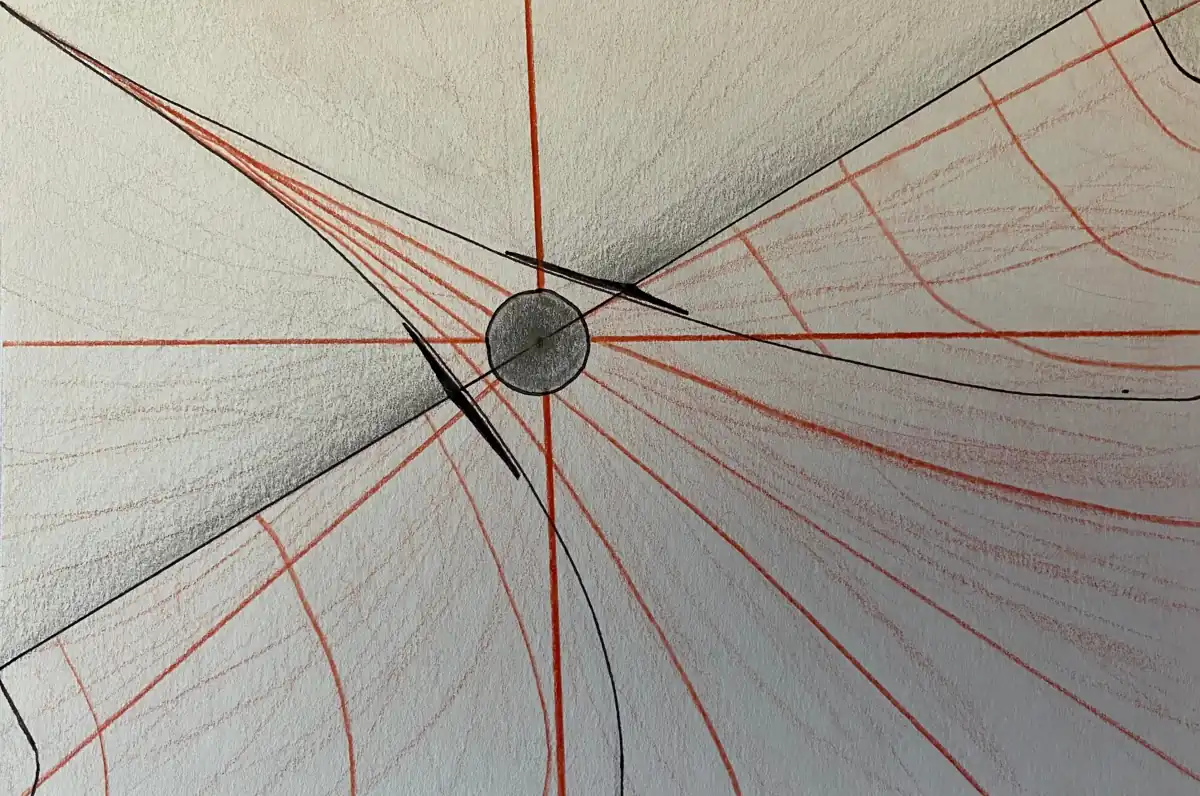
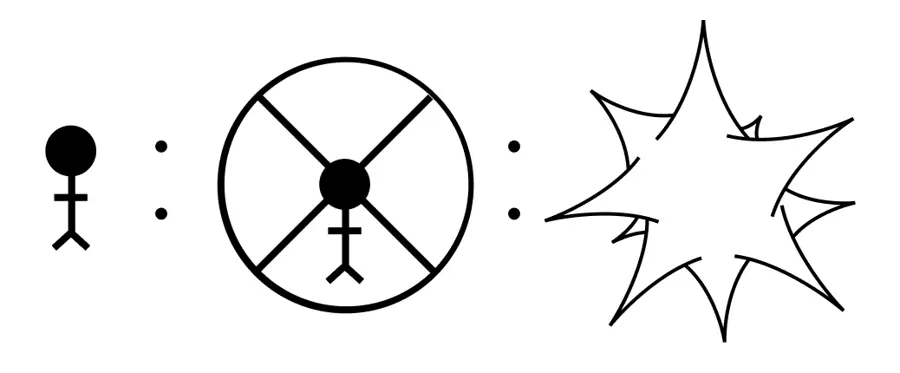
The Existential Matrix began not merely as a theory, but as an image: a way of seeing the relation between center, perspective, structure, differentiation, and participation. The diagrams in this visual edition are therefore not decoration. They are part of the thinking itself.
The framework asks us to notice an ordinary but profound fact. A finite person is always somewhere, now. Something reaches them. Their body, memory, attention, values, relationships, and inherited conditions shape what can be seen and done. They act, and what they do becomes part of what happens next.
The Matrix gives names to parts of that situation so they can be distinguished without pretending the distinctions exhaust Reality.
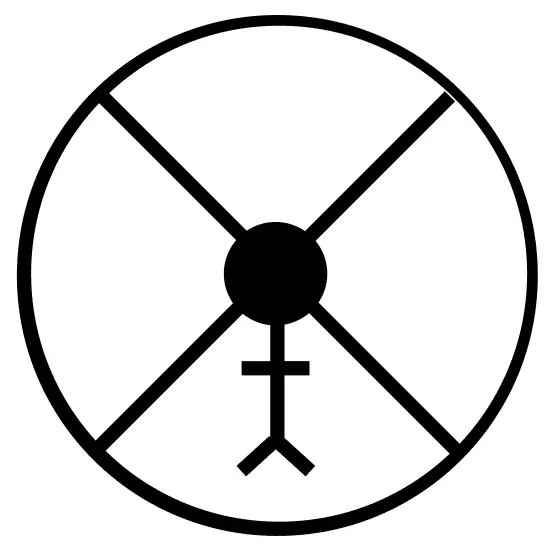
Subject
A local center, not the whole picture.
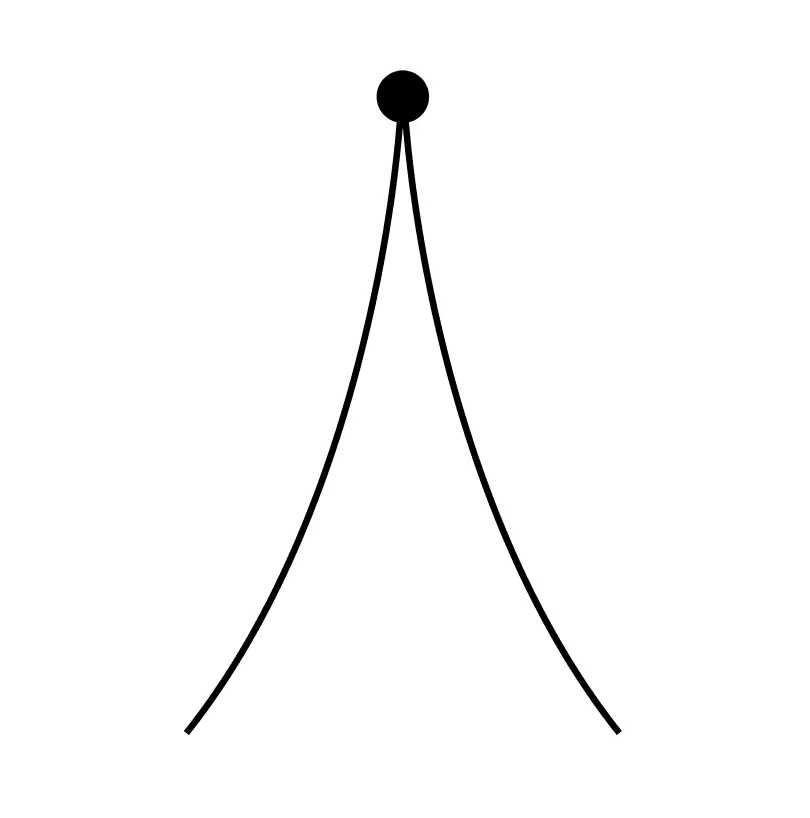
The Matrix begins with the subject-position: a local center of awareness, orientation, and participation. A subject can imagine the whole world, but the imagining still happens from somewhere — through one body, one history, one present configuration, and one field of available action.
Finitude is not the same as unreality. A partial perspective can still participate really. You may misunderstand another person and still apologize. You may not control the System and still alter one part of it. Local does not mean insignificant.
Reflection
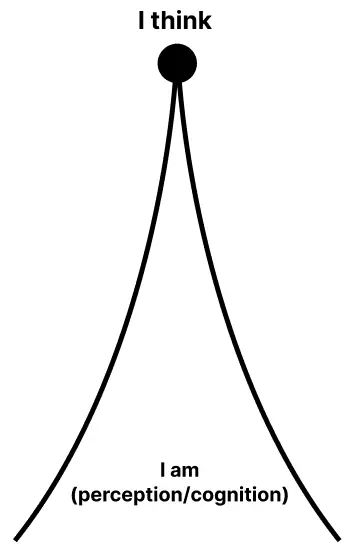
Thinking about being is not identical to being.
Humans can step back from participation and represent it. We can think about thinking, analyze love, model a relationship, describe prayer, predict an action, or construct an image of ourselves. This reflective ability makes philosophy, science, confession, planning, and correction possible.
But a Fine Line appears when the representation of participation begins replacing participation itself. The subject is not reducible to its commentary upon itself.
Distinction
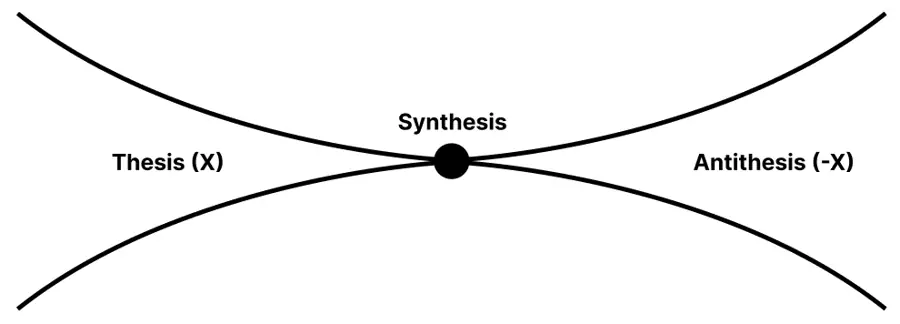
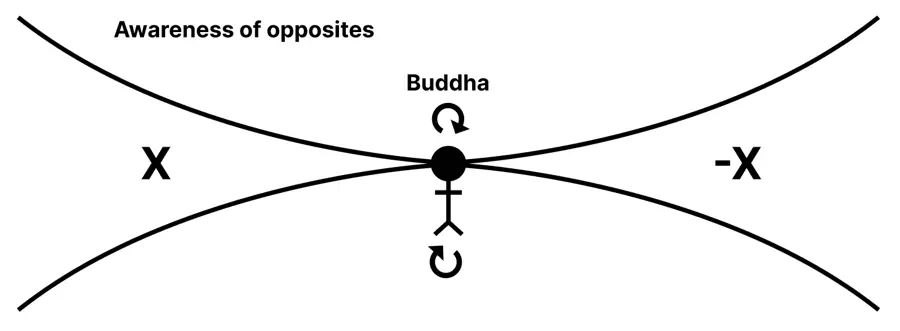
Opposites can be real without exhausting Reality.
Human beings continually organize experience through contrasts: self and other, true and false, ideal and manifestation, attachment and detachment, presence and absence. The Matrix asks two questions at once: does the distinction do real work here, and what remains outside it?
A distinction can be consequential without becoming a complete description of the thing distinguished. Seeing beyond a polarity does not automatically make the polarity false.
Telos and action
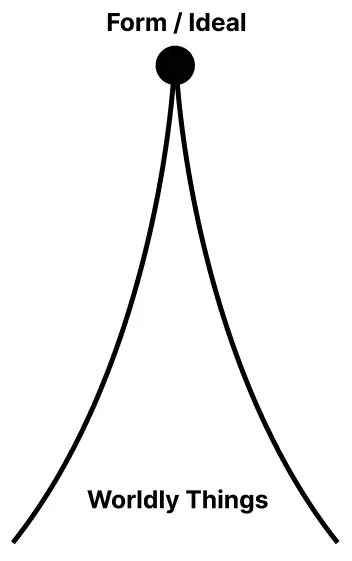
We move toward forms — and sometimes bring forms into being.
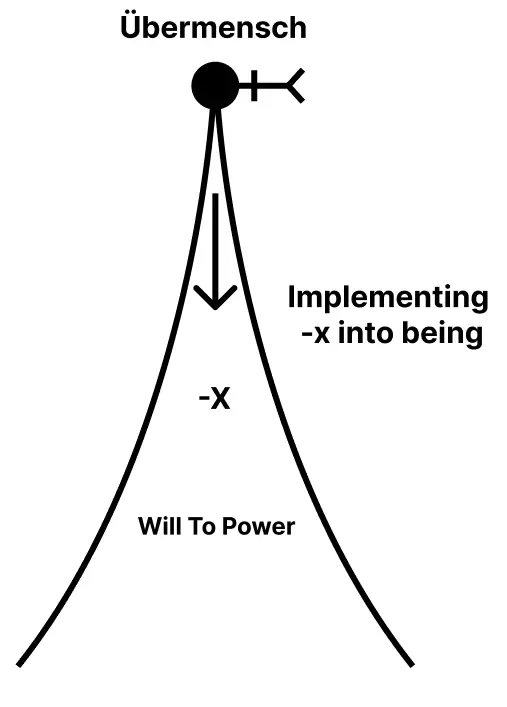
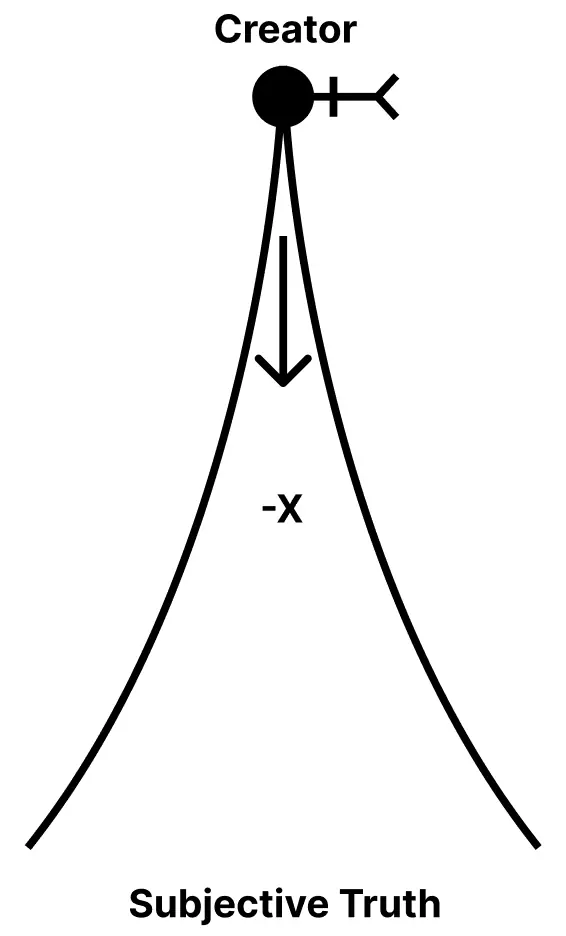
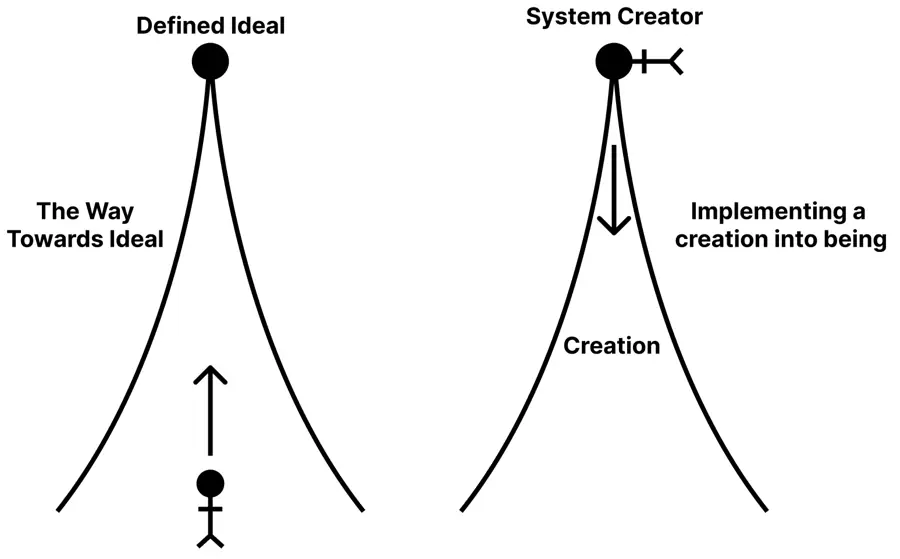
Participation is not only passive reception. Subjects orient. They hold ideals, imagine futures, select among possibilities, and implement forms into the shared world. A private intention can become a sentence, a drawing, a habit, a rule, a building, a program, or an institution.
This produces two complementary movements: ascent toward what is treated as an ideal, and descent from conception into implementation.
System
The subject inherits a world and participates back into it.
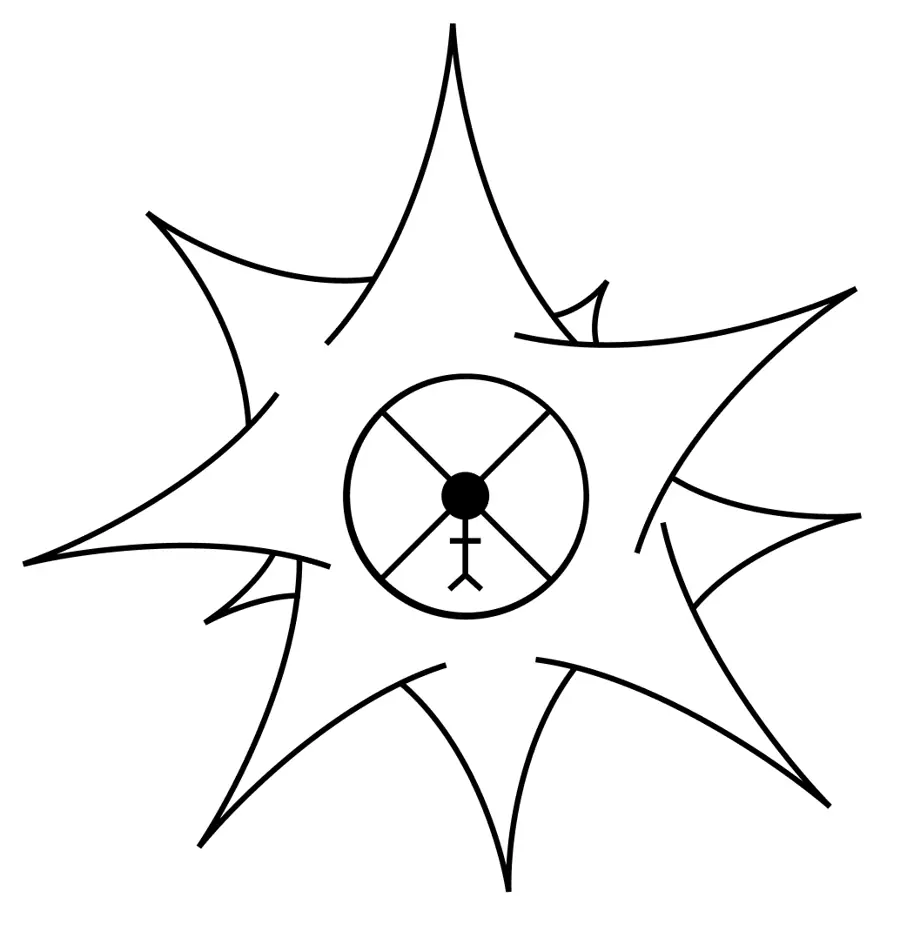
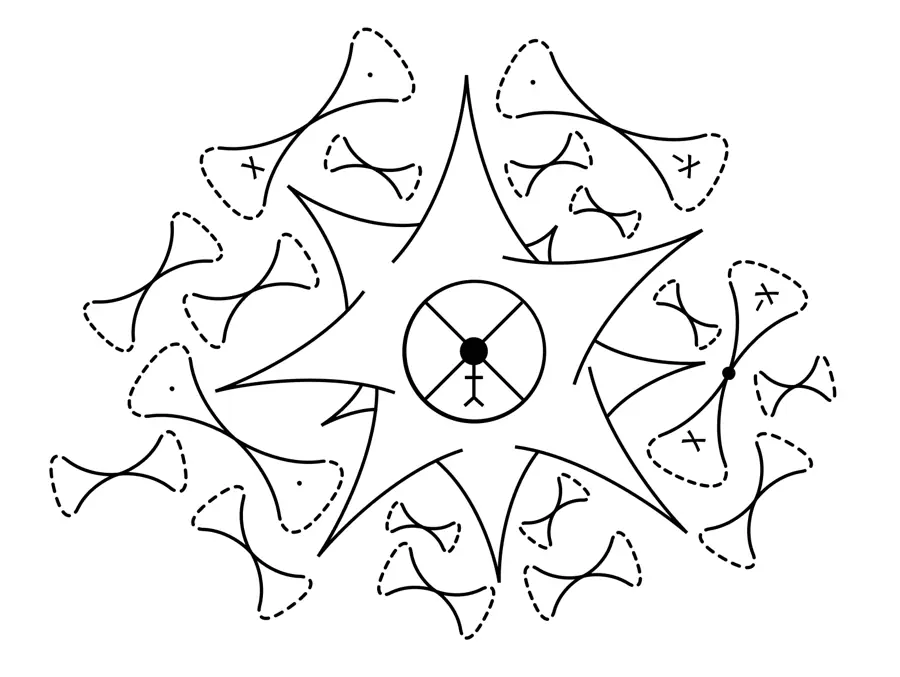
The subject does not stand outside the System looking down on it. Bodies, language, technologies, relationships, rules, memories, institutions, and environments arrive before the present act. At the same time, action changes the field — sometimes locally, sometimes durably.
The Matrix therefore expands outward: subject, structured representation, shared field, recursive interaction. One person's action becomes part of what another person later receives.
A built-in warning
The Matrix should become more humble as it expands. The larger the field being represented, the more ways the map can omit, distort, or falsely totalize what exceeds it. Its usefulness depends on remembering that Reality, the Other, and God are not identical to the representations through which a finite subject approaches them.